

If you have bunion pain, you have probably already heard ‘wear wider shoes’ and ‘try a bunion splint’ — and you may be wondering whether bunion treatment without surgery can actually work.
For patients seeking bunion treatment in Singapore, we often see bunions flare up in people who walk a lot at work, commute through the CBD, and are stuck in dress shoes for long hours. The problem is not just the bump. It is usually a mix of pressure from footwear, irritation inside the joint, stiffness, and how your foot loads when you push off.
This post is for Singapore-based office workers and anyone who needs a clear, staged plan for bunion pain. It is a decision guide with “if/then” next steps and escalation points, rather than a general explainer of what bunions are or a generic “what works” roundup. This article will cover the following points:
- How to choose the right bunion treatment based on what is actually causing your pain
- What to try first (and what to stop wasting money on)
- When it is time to get assessed, and when surgery is worth discussing
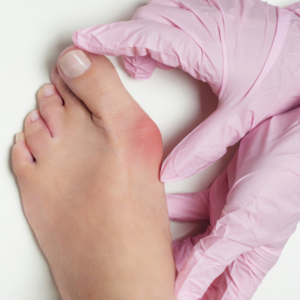
Step 1: Identify what kind of bunion pain you have (3 quick patterns)
Pattern A: “It only hurts because shoes rub the bump”
You mainly feel:
- burning or tenderness on the side of the bump
- redness after a day in tight shoes
- relief when you switch to wide shoes
Pattern B: “It feels like deep joint pain or stiffness”
You mainly feel:
- aching inside the big toe joint
- stiffness when pushing off
- pain even in wide shoes if you walk a lot
Pattern C: “It is starting to affect other toes or the ball of the foot”
You notice:
- second toe pain, crowding, or rubbing
- pain under the ball of the foot
- you are changing how you walk
Step 2: What to try first (the 2-week plan)
1) Fix toe-box shape first (not just shoe size)
Look for:
- wide toe box (toes can spread)
- stable sole (less twisting at the big toe)
- low heel height
CBD reality check: if you must wear dress shoes, have a “commute shoe” strategy (wide, stable) and change at the office. This is often the fastest way to reduce flare-ups.
2) Use protection for rubbing, but do not treat that as the whole plan
- padding or a silicone sleeve can reduce friction
- stop if skin breaks down or numbness occurs
3) Toe spacers and splints: use them for comfort, not promises
They may help comfort and reduce crowding, but they rarely create permanent correction.
Stop if you feel numbness, tingling, or sharper pain.
Step 3: What to do if it is not improving (next 4–6 weeks)
If shoes helped but pain still returns
- you may need a more structured offloading plan
- review work footwear habits (the “one tight shoe day” each week can keep pain recurring)
If you suspect mechanics are driving overload
In suitable cases, customised foot orthotics may help reduce harmful loads through the big toe joint and improve walking comfort.
If you have deep joint pain or stiffness
A podiatry assessment can clarify whether the joint is inflamed, stiff, or overloaded, and what to do next.
Clinician’s perspective (what we commonly see)
In our clinics, we commonly see bunion pain become “chronic” when people:
- rotate between wide shoes on weekends and tight shoes for work
- choose very soft, unstable shoes that feel comfortable but increase joint wobble
- buy multiple devices but do not have a staged plan
Two original-value elements:
- What most people get wrong: They look for a single product to “correct” a bunion, instead of reducing joint stress consistently.
- What to do if it has not improved after 6–8 weeks: get assessed to check joint stiffness, gait mechanics, and whether you are compensating into second-toe overload.
When it is urgent vs can wait
Seek assessment sooner (don’t wait) if you have:
- rapid increase in redness, swelling, or heat
- skin breakdown, ulcers, or numbness (especially if you have diabetes)
- severe night pain or pain at rest
- you are limping or avoiding activity
It can usually wait a short period if:
- pain is only after long days
- symptoms improve clearly with wide shoes and reduced walking load
When is bunion surgery worth discussing?
Surgery is typically considered when:
- bunion pain limits daily life despite proper conservative care
- shoe options become severely restricted
- deformity is progressing and affecting other toes
A podiatrist can help you decide what to try before surgery, and when a surgical opinion is appropriate.
Frequently Asked Questions
Can I treat a bunion without surgery?
Often, yes. Many people reduce pain and stay active by improving toe-box space, stabilising footwear, and managing load through the big toe joint. The goal is symptom control and function.
Do bunion splints actually work?
Splints may improve comfort for some people, but they rarely create permanent correction. If they cause numbness or worsening pain, stop.
What is the best bunion treatment for office workers in Singapore?
Start with a realistic footwear strategy (wide, stable commute shoes, and less time in narrow toe boxes). If pain persists, an assessment can help identify whether orthotics, offloading, or other steps are appropriate.
When should I see a podiatrist?
If pain keeps returning, you are changing how you walk, or it is limiting activity, it is worth getting assessed early.
Key takeaways
- The best bunion treatment plan depends on whether pain is from shoe pressure, joint irritation, stiffness, or overload.
- Start with toe-box shape and stability, not just “bigger shoes”.
- If you are not improving after 6–8 weeks, get assessed to avoid guessing.
Get help with your bunion
If bunion pain is affecting your walking or your work shoes are constantly setting off flare-ups, a structured plan helps you move from “random fixes” to real progress.
To book an assessment with Podiatry Quest Singapore, visit https://www.podiatryquest.sg/ or contact Phone: +65 6027 2389 or WhatsApp: +65 8333 9643.
We have 5 clinic locations: Holland Grove, Novena, Tampines, Harbourfront, and Raffles Place.
