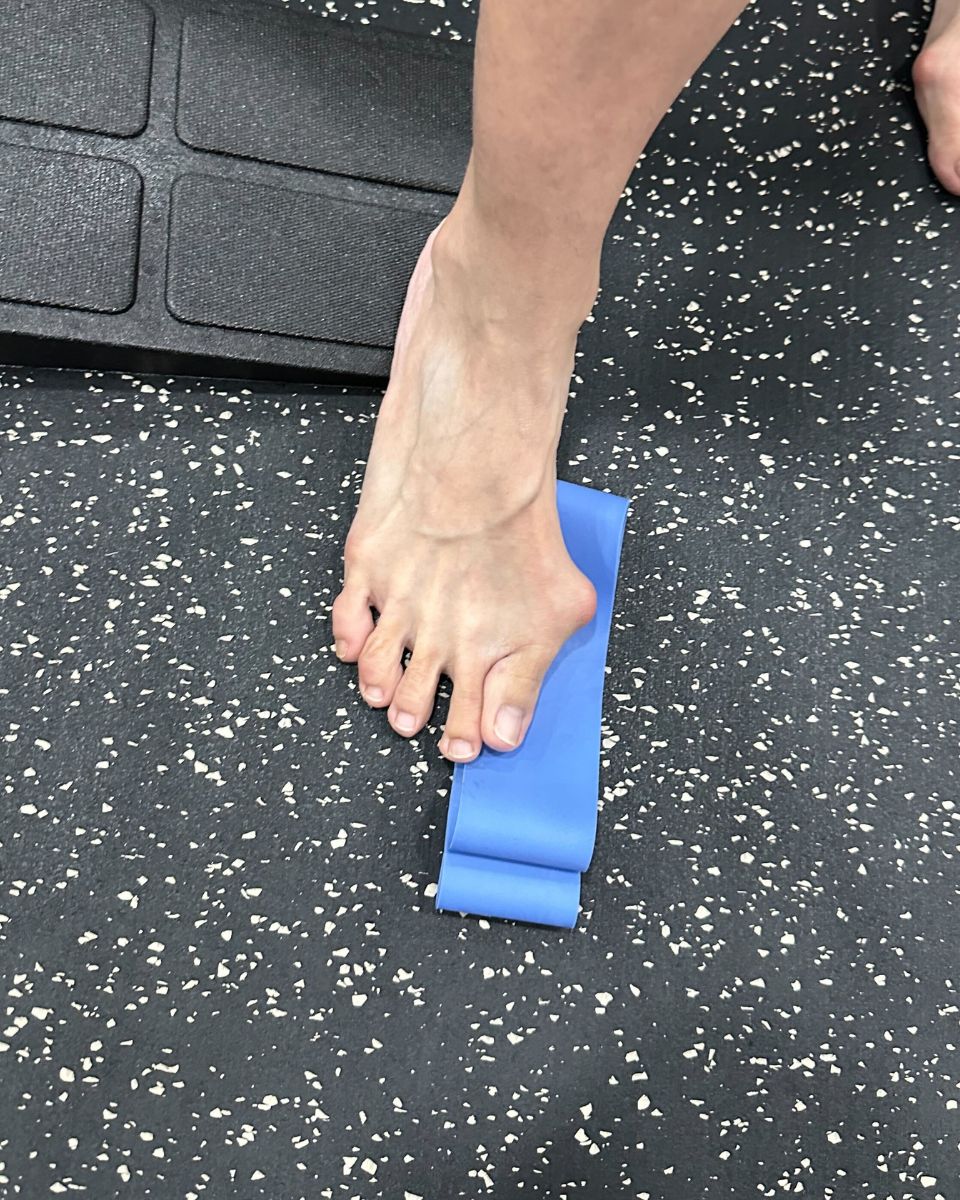
If you have a bunion, you have probably tried “roomier shoes”, a bunion splint, or a gel sleeve, and still feel the bump rubbing and aching by the end of the day.
In our Singapore clinics, we often see people who are walking a lot (including around Tampines malls and transport hubs), and the bunion pain is not just from the bump itself. It is usually from pressure, joint irritation, and load through the big toe.
This guide explains bunion treatment options that actually help, what to avoid, and when it is time to get a proper assessment.
 What is a bunion (and why it keeps getting worse)?
A bunion is a bony prominence at the base of the big toe. The medical term is hallux valgus.
It often progresses because:
- The big toe gradually drifts towards the second toe
- The joint becomes irritated with friction and pressure
- Foot mechanics shift load onto the bunion area during walking
Some people are more prone due to foot structure, family history, or certain footwear demands.
Bunion pain: 5 common triggers we see in Singapore
Bunion pain is often worse when the joint is repeatedly compressed or forced to work harder.
Common triggers include:
- Narrow or tapered toe boxes (many work shoes and dress shoes)
- Long walking days (errands, commuting, shopping)
- Standing for long periods (retail, healthcare, events)
- High-impact sport that increases forefoot load
- Stiffness in the big toe joint, which changes how you push off
The uncomfortable truth: most “quick fixes” only reduce rubbing, not the bunion
Many bunion products are designed to reduce skin irritation, but they do not change the underlying joint position or loading pattern. They can still be useful, but you should use them with realistic expectations.
5 Non-surgical bunion treatments that actually help
Non-surgical bunion treatment focuses on reducing pain, limiting flare-ups, and slowing progression where possible. Explore our decision guide to bunion treatment without surgery
1) Footwear changes that reduce pressure immediately
The fastest wins usually come from the right shoe shape.
Look for:
- Wide toe box (your toes should be able to splay)
- Stable heel counter (less wobble means less joint stress)
- Low heel height
- Enough depth so the bunion does not rub
Avoid:
- Shoes that “feel okay for 10 minutes” but pinch by the end of the day
- Stretching narrow shoes and hoping it solves the problem (it rarely does)
2) Padding and offloading (for rubbing and inflamed skin)
If the bunion is rubbing raw:
- Use protective padding to reduce friction
- Consider silicone sleeves short-term for comfort
This helps symptoms, but does not correct the bunion.
3) Toe spacers and splints: helpful for some people, not all
These can help by:
- Reducing crowding between the big toe and second toe
- Improving comfort in certain shoes
They are often less helpful if:
- Your shoes are still too narrow
- The bunion is already stiff and painful
Tip: if a splint causes numbness, burning, or increased pain, stop using it.
4) Targeted strengthening and mobility work
The goal is not “exercise the bunion away”. The goal is to improve control of the big toe and reduce overload.
A podiatrist may prescribe exercises that focus on:
- Big toe joint mobility (where appropriate)
- Foot intrinsic strength (arch and toe control)
- Calf flexibility (which can affect forefoot loading)
5) Orthotics and footwear modifications (when mechanics are the main driver)
If bunion pain is driven by how your foot loads during walking, customised foot orthotics may help reduce stress through the big toe joint and the bunion area.
In clinic, we assess your walking pattern and biomechanics first, then decide whether orthotic support is likely to help.
When bunion treatment should be more than home care
Consider a podiatry assessment if you have:
- Pain that keeps returning despite wider shoes
- Night pain, swelling, or increasing redness at the joint
- Difficulty walking long distances
- Second-toe pain or hammertoe changes
- Numbness, tingling, or burning around the bunion
What to expect at a podiatry visit for bunion pain
A bunion assessment is usually more than “look at the bump”. It may include:
- History (what triggers pain, what you have tried)
- Footwear review (often the missing piece)
- Biomechanical and gait assessment
- A structured plan for offloading, footwear, and rehab
If imaging is needed to assess the joint, you will be guided on next steps.
When is bunion surgery considered?
Bunion surgery is usually considered when:
- Pain significantly affects daily life
- Conservative care has been done properly and still fails
- The joint deformity is progressing and causing secondary problems
A podiatrist can help you understand whether your symptoms suggest a surgical opinion may be appropriate, and what to try before that.
Common mistakes that keep bunion pain coming back
These are the patterns we see most often:
- Buying “soft” shoes that are roomy but unstable (more wobble can irritate the joint)
- Using a bunion sleeve as the main plan while still wearing narrow shoes
- Pushing through long walks during a flare-up without offloading
- Ignoring big toe stiffness until it becomes constant pain
Frequently Asked Questions
Can a bunion go away on its own?
A bunion typically does not “go away” without surgery. Without the right steps (especially footwear changes and proper support), it usually progresses over time and can become more painful. The good news is that symptoms can often be improved with proper footwear, offloading, and support.
Do bunion splints work?
Splints can reduce discomfort for some people, especially at night, by gently positioning the toe and reducing pressure. However, they do not permanently correct the bunion. A splint cannot “reverse” a bunion or straighten the toe long-term, and surgery is the only method that can do that. Splints work best as a comfort tool alongside footwear changes.
Are toe spacers good for bunions?
Toe spacers can be helpful for comfort and toe alignment, particularly in wide shoes. If they cause pain or numbness, they are not suitable.
What is the best bunion treatment in Singapore if I want to avoid surgery?
For many people, the best starting plan is a combination of wide toe box footwear, offloading/padding during flare-ups, and a podiatry assessment to check mechanics and joint stiffness. For suitable cases, a precision customised foot orthotic can also help improve foot function, offload the painful area, and stabilise the bunion during walking.
When should I see a podiatrist for bunion pain?
If bunion pain keeps returning, you are changing how you walk, or you cannot tolerate normal daily activity, it is worth seeing a podiatrist for a structured plan.
Bunion treatment works best when it targets the real drivers: pressure from shoes, irritation of the joint, and how your foot loads when you walk. If you have tried quick fixes and the pain keeps returning, an assessment can help you avoid guesswork and choose the right next step.
To book an assessment with Podiatry Quest Singapore, visit https://www.podiatryquest.sg/ or contact us at Phone: +65 6027 2389 or WhatsApp: +65 8333 9643.
We have 5 clinic locations: Holland Grove, Novena, Tampines, Harbourfront, and Raffles Place.