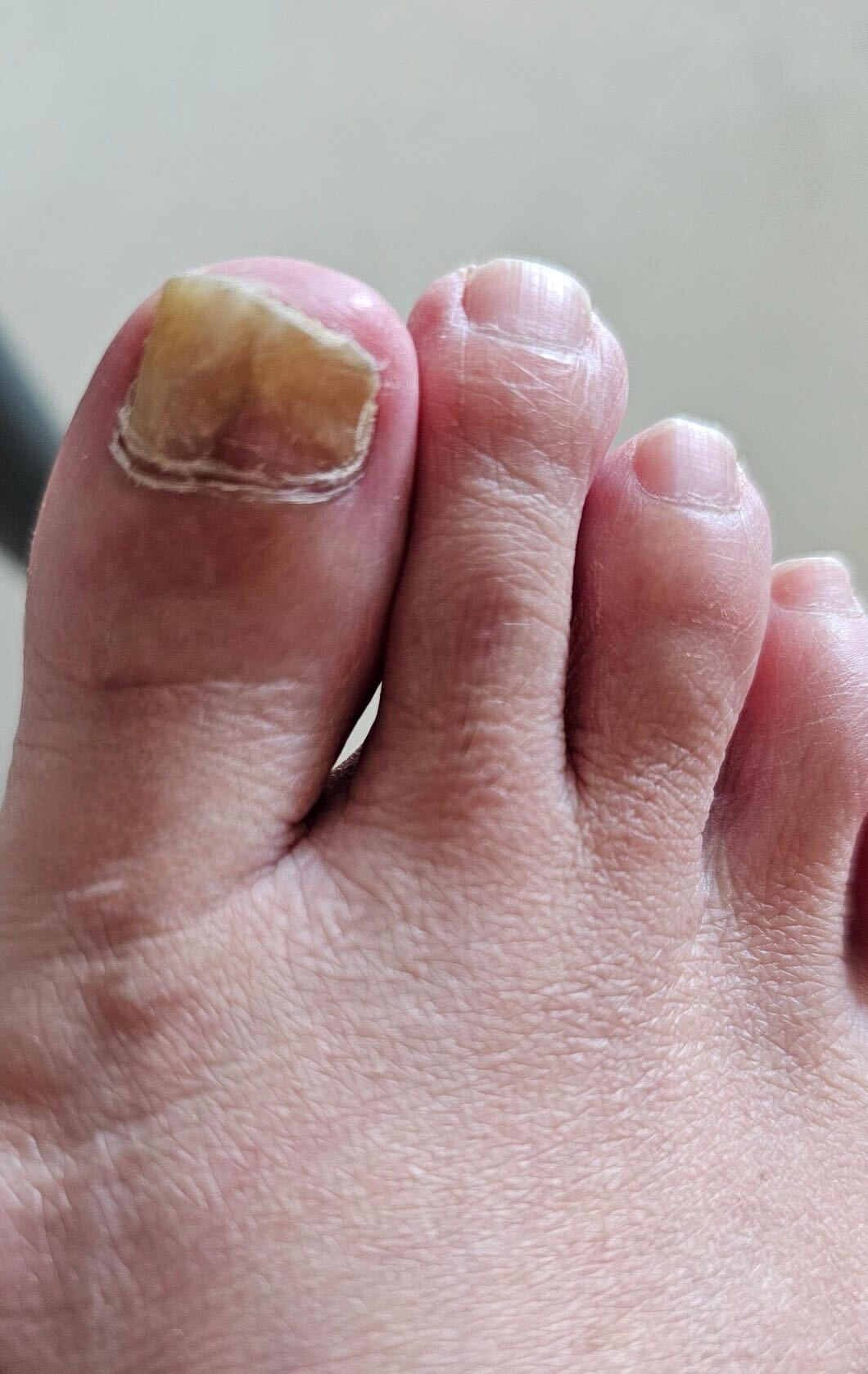
If you’ve treated a foot fungal infection before, you probably know the frustrating pattern: the itching settles, the skin looks better, and then a few weeks later it is back.
In Singapore’s humid weather, fungus thrives. Add in shared facilities (gyms, swimming pools), sweaty shoes, and busy schedules, and it’s easy for fungal skin infections (athlete’s foot) and fungal toenails to keep cycling.
What you’ll learn
- Why foot fungus keeps coming back even after you use “the right cream”
- What actually works for foot fungal treatment in Singapore (step-by-step)
- When you should stop self-treating and get assessed
First: is it athlete’s foot (skin), fungal nails (toenails), or both?
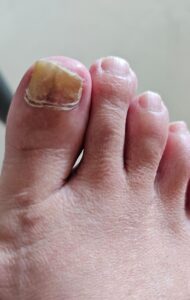
Foot fungus is usually one of these patterns (or a combination):
- Athlete’s foot (tinea pedis)
- Itchy, burning, or irritated skin
- Peeling or cracking, often between toes
- Sometimes a “moccasin” dry, scaly pattern on the sole
- Fungal toenails (onychomycosis)
- Yellow/white-brown discoloration
- Thickened, crumbly nails
- Nails that keep splitting, lifting, or trapping debris
Why this matters: skin fungus often responds faster to the right treatment, while fungal nails usually take longer (because nails grow slowly).
Why foot fungal treatment fails in Singapore (the reinfection cycle)
Even good antifungal products can fail if the source of reinfection is still present.
Common reinfection sources we see:
- Shoes that stay damp (especially closed footwear worn daily)
- Socks that trap sweat or are reworn
- Shared bathrooms / pools / gym floors (barefoot exposure)
- Untreated nails re-seeding the skin (or untreated skin infecting nails)
- Stopping treatment too early once symptoms improve
Tampines reality check: high step counts + sweaty shoes
If you’re walking a lot between malls, transport links, or spending long weekends on your feet with family, your shoes can become a warm, damp environment. That is ideal for fungus.
What to do first (a practical 7-day reset plan)
If your symptoms are mild and mainly on the skin, a short “reset” often helps.
- Treat the skin consistently
- Use an antifungal product as directed.
- Keep going for at least 1–2 weeks after symptoms settle (this is where many people stop too early).
- Dry the feet properly
- Wash feet well in the shower with warm water and soap, including between the toes, the sole (bottom of the foot), and the back of the heel.
- Dry between toes every time after showering.
- If you sweat heavily, change socks mid-day.
- Decontaminate the environment
- Rotate shoes so each pair can fully dry.
- Wash socks in hot water if the fabric allows.
- Consider an antifungal shoe spray/powder for high-sweat footwear.
When home treatment is not enough (and what a podiatrist can do)
Self-care is reasonable for mild, first-time skin fungus. But consider an assessment if any of these apply:
- Symptoms keep returning despite repeated treatment
- You have painful cracks, bleeding, or signs of secondary infection
- You suspect fungal nails (thick, discoloured, crumbly nails)
- You have diabetes, poor circulation, or immune conditions (higher risk of complications)
In clinic, we can:
- Confirm whether this is fungal infection vs eczema/dermatitis (they can look similar)
- Reduce thickened nails safely when needed
- Build a treatment plan that addresses skin + nails + reinfection prevention
Advanced option for fungal toenails: PACT UV (clinic-based)
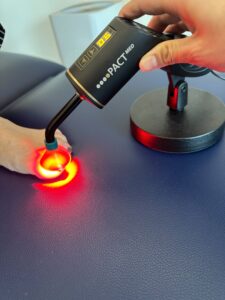
For stubborn fungal toenails, one option used in clinic is PACT UV (Photodynamic Antimicrobial Therapy). It is a pain-free approach that uses a UV-sensitive gel and UV light to target active fungal spores, typically delivered as multiple sessions early on with follow-up as the nail regrows.
Clinician’s perspective (what we commonly see)
In our clinics, we commonly see recurring foot fungus for a few predictable reasons:
- Mistake 1: treating the itch, not the cause. People focus on the skin flare-up but ignore the shoes and socks that keep reintroducing fungus.
- Mistake 2: “I stopped when it looked better.” Symptoms can settle before the fungus is fully cleared.
- Mistake 3: nails quietly keep it going. Thickened nails can act like a reservoir, and the skin keeps getting reinfected.
What to do if it still hasn’t improved after 2–4 weeks
If you have done consistent skin treatment plus shoe/sock hygiene and it is still recurring:
- Get a professional assessment to confirm the diagnosis
- Discuss whether nails need to be addressed as part of the plan
- Consider whether your skin barrier is compromised (e.g., eczema) and needs a different approach alongside antifungal care
How to prevent foot fungus from coming back (simple habits that work)
- Rotate shoes and avoid wearing the same pair every day
- Choose breathable footwear when possible
- Change socks daily (or more if you sweat)
- Wear slippers in shared bathrooms
- Don’t share nail clippers or towels
Frequently Asked Questions
How do I know if it’s athlete’s foot or eczema?
They can look similar. Athlete’s foot often causes peeling or cracking between toes and may spread in damp, sweaty conditions. If it keeps recurring or doesn’t respond to antifungal treatment, get assessed to confirm the cause.
What is the best foot fungal treatment in Singapore?
The best treatment depends on whether it is skin fungus, fungal nails, or both. Many mild skin infections respond to consistent antifungal care plus good drying and shoe hygiene. Fungal nails often need a longer plan and may benefit from in-clinic options.
Why does my foot fungus keep coming back after treatment?
Reinfection is common when shoes stay damp, treatment stops too early, or fungal nails keep re-seeding the skin. A plan that addresses skin, nails, and environment usually works better than repeating creams alone.
Can fungal toenails be treated without oral medication?
In suitable cases, yes. Options may include nail thinning, topical strategies, and clinic-based treatments such as PACT UV. A podiatrist can advise what is appropriate for the nail and health profile.
When should I see a podiatrist for a fungal infection?
If symptoms keep returning, nails are involved, the skin is cracking/painful, or you have health conditions that increase risk (like diabetes), it is worth getting assessed.
Key takeaways
- Foot fungal infections often return because the reinfection source (shoes, socks, untreated nails) is still present.
- Treating the skin consistently and long enough is critical.
- Fungal nails usually need a longer plan than skin infections.
- If it keeps recurring, get assessed so you’re not guessing.
Seek Podiatry Treatment for Foot Fungus
If you’re dealing with recurring itching, peeling, or thickened discoloured nails, you don’t have to keep cycling through random creams. A podiatry assessment can clarify what is going on and build a practical plan to treat and prevent recurrence.
Podiatry Quest has clinics at Holland Grove, Novena, Tampines, Harbourfront, and Raffles Place.
To book an appointment: Phone +65 6027 2389, WhatsApp +65 8333 9643, or visit https://www.podiatryquest.sg