
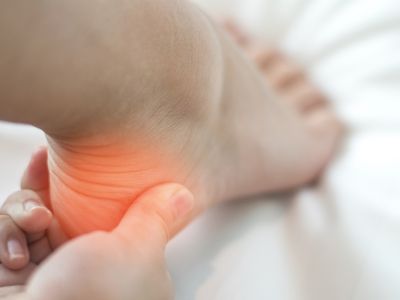
Heel pain in Singapore often shows up in very “everyday” ways, like the first few steps after getting out of bed, or a sharp jab after a neighbourhood walk near Holland Grove. Many people try stretching, buying gel inserts, or resting for a few days, only to find the pain keeps returning.
What you’ll learn
- The most common causes of heel pain (and how to tell them apart)
- What to try first at home, and what to stop doing
- When it’s time to see a podiatrist, and what an assessment typically looks like
Podiatry Quest is a Singapore podiatry clinic with five locations (Holland Grove, Novena, Tampines, Harbourfront, Raffles Place). If your heel pain is persistent or affecting your walking, we can help you identify the true driver and build a plan that actually holds up.

Why your heel pain keeps coming back (even when you rest)
Heel pain is rarely about a single “bad step”. In many cases, the pain returns because the underlying load on the heel tissues never truly changes.
Common reasons home fixes fail:
- You reduce activity briefly, then return to the same walking pattern (the tissue never fully adapts).
- You stretch aggressively into pain, which can irritate sensitive tissue rather than calm it.
- You add soft inserts but keep unsupportive footwear, so the heel still gets overloaded.
- You treat “heel pain” like one condition, when it can come from different structures.
Heel pain causes: 3 common patterns (and what they feel like)
Heel pain is a symptom, not a diagnosis. Here are three common patterns we see in clinic.
1) Plantar fasciitis (often “first-step” morning pain)
Plantar fasciitis involves irritation around the plantar fascia, a thick band under the foot that helps support your arch. A classic pattern is:
- Sharp pain with the first steps in the morning
- Pain after sitting, then standing up
- Tenderness near the inner underside of the heel
Many people in Singapore notice it worsens with long walks, standing for long periods, or a sudden increase in activity.
2) Achilles tendinopathy (more pain behind the heel)
If the pain is more at the back of the heel or lower calf, and it flares with uphill walking, stairs, or running, the Achilles tendon may be involved. Common clues:
- Pain or stiffness at the back of the heel, especially after activity
- Discomfort with heel raises or pushing off
- Tightness in the calf complex
3) “Heel bruising” / fat pad irritation (pain right under the heel)
Some people describe it as stepping on a stone. This can happen when the heel’s cushioning is irritated, especially with:
- Repeated impact (long walks, harder surfaces)
- Minimal cushioning or worn-out shoes
- A sudden jump in step count
What to do first for heel pain (a practical 7–14 day plan)
This is a sensible starting plan if your pain is mild to moderate and there are no red flags (we’ll cover those below).
Step 1: Stop the one thing that often keeps it inflamed
Avoid:
- Long walks “to loosen it up” when pain spikes
- Stretching hard into sharp pain
- Barefoot walking at home if it increases pain
Instead:
- Keep walking short and frequent, staying below your flare threshold.
- Choose supportive footwear indoors if you tend to go barefoot.
Step 2: Use “calm the tissue” strategies (not just “stretch more”)
Try:
- Gentle calf mobility (not aggressive stretching) 1–2x/day
- Ice massage for 5–10 minutes if it reduces symptoms
- A simple load rule: pain during and after activity should settle back to baseline within 24 hours
Step 3: Upgrade footwear support (often the fastest win)
For many people, the biggest early improvement comes from reducing stress on the heel:
- A stable shoe with a supportive midsole
- Avoid thin, flexible soles for long walking days
- Replace worn-out shoes that have lost structure
Step 4: Strengthen, don’t just rest (when pain allows)
If pain is settling, add controlled strengthening:
- Slow calf raises (start with small ranges if sensitive)
- Short foot / arch control drills (as tolerated)
If any exercise makes the pain noticeably worse the next day, scale it down.
Clinician’s perspective (what we commonly see)
In our clinics, we commonly see heel pain patients who have done “all the right things” on paper, but missed one key piece: their plan didn’t match the specific heel pain pattern.
Two common mistakes:
- Treating plantar fasciitis like a pure flexibility issue. More stretching is not always better, especially if you are stretching into sharp heel pain.
- Using very soft inserts as a band-aid, but keeping the same walking load and unsupportive footwear. Short-term relief can hide the real overload pattern, then the pain returns.
What tends to work better:
- A clear diagnosis (which structure is driving symptoms)
- A load plan that fits your actual week (work, commuting, errands)
- Targeted support (footwear and, in suitable cases, orthotic support)
What if heel pain hasn’t improved after 2–3 weeks?
If you have been consistent for 2–3 weeks and you still cannot walk comfortably, it is time to reassess rather than “push through”.
A podiatry assessment may help clarify:
- Whether it is plantar fascia vs Achilles vs fat pad irritation (or a combination)
- Foot posture and biomechanics that may be increasing strain
- Calf/ankle mobility limitations that change how you load the heel
- Training or walking-volume triggers you may not have noticed
In suitable cases, customised foot orthotics can be considered to help reduce harmful loads and support more comfortable walking, especially when heel pain is repeatedly triggered by daily activity. Podiatry Quest provides prescription orthotics after a musculoskeletal and gait assessment, with 3D scanning and 3D printing as part of the process.
When heel pain is urgent (don’t wait it out)
Seek assessment promptly if you have:
- Sudden severe pain after a specific injury
- Significant swelling, redness, or heat
- Numbness, pins and needles, or worsening weakness
- Fever or signs of infection
- Inability to weight-bear
- Persistent pain with a history of diabetes, poor circulation, or immune suppression
Frequently Asked Questions
How do I know if my heel pain is plantar fasciitis?
Many people with plantar fasciitis feel sharp pain with the first steps in the morning or after sitting. The pain is often on the inner underside of the heel. A podiatrist can confirm the diagnosis by assessing the foot and how you load it during walking.
Is a “heel spur” the real cause of heel pain?
Not always. Some people have heel spurs on imaging and no pain, while others have pain without a significant spur. The more useful question is which tissue is irritated and what is driving the overload.
Should I stretch my calf if I have heel pain?
Gentle mobility can help, but stretching hard into sharp pain can irritate sensitive tissue. If stretching consistently increases your symptoms, scale back and focus on load management and footwear support first.
Do I need orthotics for heel pain?
Not everyone does. Some cases improve with load changes, footwear upgrades, and strengthening. In suitable cases where heel pain keeps recurring or walking tolerance is limited, customised orthotics may help reduce strain and support recovery.
How long does heel pain take to improve?
It varies. Some people notice improvement within 1–2 weeks with the right plan, while persistent cases can take longer. If there is no clear improvement after 2–3 weeks of consistent self-care, it is worth getting assessed.
Key takeaways
- Heel pain is a symptom with different possible drivers, so “one-size” advice often fails.
- A 7–14 day plan should focus on load management, footwear support, and graded strengthening.
- If heel pain hasn’t improved after 2–3 weeks, reassess the diagnosis and triggers.
- Persistent or severe pain, inability to weight-bear, or systemic risk factors should be assessed promptly.
Seek Podiatry Treatment for Heel Pain
If you are dealing with heel pain in Singapore and it keeps coming back with normal walking, you do not have to keep guessing. A podiatrist can help you identify the cause and build a plan that fits your lifestyle, so you can move comfortably again.
Book an assessment with Podiatry Quest at any of our locations: Holland Grove, Novena, Tampines, Harbourfront, Raffles Place.
Phone: +65 6027 2389
WhatsApp: +65 8333 9643
Website: https://www.podiatryquest.sg/
