
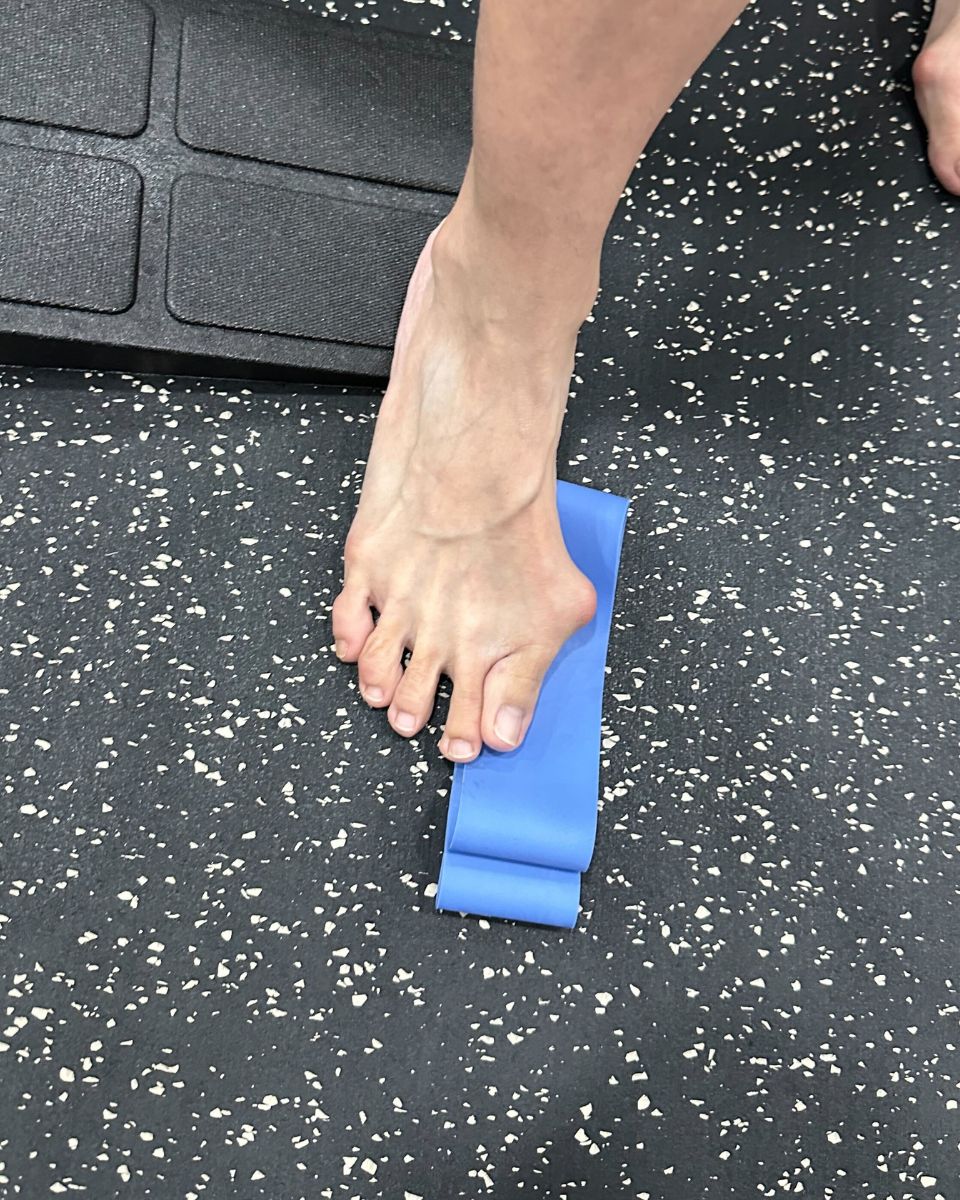
If you have a bunion, you have likely seen wildly differing estimates for surgery in Singapore. That is because the final bill does not just reflect the time in the operating theatre—it covers the entire clinical pathway, hardware choices, and the structural complexity of your foot.
We frequently see patients who put up with bunion pain for years until everyday work shoes become unbearable, sports performance drops, or the big toe starts crossing under the second toe. This guide outlines what directly influences the overall cost and helps you determine whether surgery or conservative podiatry is your best next step.
What You’ll Learn
- What typically changes bunion surgery cost in Singapore (and why prices vary)
- What to ask so you can compare quotes fairly
- When surgery makes sense, and when it is reasonable to try non-surgical care first
Quick Note: Why Exact Prices Cannot Be Quoted Online
We do not publish a fixed “bunion surgery price” because it depends on the type of correction, whether there are additional procedures, and the specific surgeon or facility involved. Instead, this guide will help you:
- Understand common cost drivers
- Ask the right questions at your surgical consultation
- Avoid paying for surgery when the primary driver is footwear friction and load management
What Makes Up the Real Cost of Bunion Surgery?
When someone quotes a price for bunion surgery, they may be referring to very different bundles. It is essential to ask for an itemised breakdown:
| Cost Component | Details to Check |
|---|---|
| Specialist Consultations | Initial pre-operative assessment, surgical planning, and review fees. |
| Diagnostic Imaging | Weight-bearing X-rays or standing CT scans to measure deformity angles. |
| Surgeon & Anaesthetist Fees | Scaled according to surgical complexity, duration, and anaesthesia type. |
| Facility Charges | Day-surgery centre versus private hospital inpatient stay. |
| Surgical Implants / Fixation Hardware | Screws, plates, or k-wires (frequently billed separately). |
| Post-Operative Care | Wound dressings, suture removal, and scheduled follow-up appointments. |
| Rehabilitation & Mobility Aids | Stiff-soled post-op shoes, CAM boots, crutches, and physical therapy. |
For general expectations, public subsidies, and private benchmark ranges, refer to the Singapore Ministry of Health (MOH) fee benchmarks.
The 5 Biggest Factors That Change the Final Bill
1. Severity of the Deformity
Mild bunions driven primarily by shoe pressure require simpler corrections. Severe bunions with significant toe drift, second-toe crowding, joint stiffness, or pain under the ball of the foot require complex realignment, extending theatre time and implant requirements.
2. The Surgical Approach
Surgical methods vary from open osteotomies to minimally invasive surgery (MIS) and joint fusions (Lapidus procedures). Rather than focusing solely on the cheapest procedure, focus on the surgical logic: what is being corrected, expected benefits, and realistic limitations.
3. Additional Concurrent Procedures
Bunions rarely exist in isolation. If a procedure also requires straightening a hammertoe on the second toe, releasing a tight calf tendon (gastrocnemius release), or correcting underlying flat feet that overload the first joint, the surgical scope and fees increase.
4. Facility Selection and Hospital Tiers
Public restructured hospitals offer subsidised rates for eligible citizens and PRs, though wait times for elective appointments can be lengthy. Private day-surgery centres and hospitals offer rapid scheduling, but facility charges and surgeon fees are significantly higher.
5. Follow-Up and Rehabilitation Needs
A patient who needs to return to dress shoes quickly requires a different plan from someone who works from home or is training for athletics. Complex recoveries requiring serial X-rays, extended immobilisation, and physiotherapy will carry higher aggregate costs.
Clinician’s Perspective: What We Commonly See
In our clinics, two patterns are very common:
- Waiting it out: Patients buy wider shoes, then softer shoes, and gradually reduce their walking. By the time they seek help, the problem is no longer just the bump, but altered loading across the entire forefoot.
- Assuming surgery is the only answer: Many bunions can be managed comfortably for years without an operation, particularly when pain stems from shoe friction rather than internal joint degeneration.
Common Misconceptions
- Treating the bump instead of the load: Gel pads and cushions reduce friction, but they do not alter the mechanical forces irritating the joint.
- Aggressive correctors: Over-the-counter night splints and correctors cannot alter bone alignment and often inflame the joint capsule.
What to Do if Pain Persists After 6 to 8 Weeks
If home adjustments fail to reduce symptoms after 6 to 8 weeks, stop repeating the same routine. Arrange a clinical assessment of joint mobility and forefoot pressure. If surgery is being considered, determine what conservative measures should be trialled first.
Surgery vs Conservative Treatment: How to Decide
You are not choosing between surgery and doing nothing; you are selecting the appropriate level of intervention for your foot mechanics:
| Conservative Care First | Surgery Discussion Warranted |
|---|---|
|
|
Non-Surgical Steps While Deciding
If you are not an immediate candidate for surgery, these steps help minimise irritation and clarify whether an operation is truly necessary:
- Footwear Modifications: Switch to shoes with a deep, wide toe box and soft upper materials. Learn more via our dedicated shoe advice service.
- Offload Joint Stress: Customised foot orthotics help redistribute peak pressure away from the first metatarsophalangeal joint, improving comfort during walking.
- Load Management: Avoid sudden spikes in walking or high-impact exercise that irritate the forefoot.
- Address Contributing Tightness: Calf tightness and limited big toe extension exacerbate forefoot overload and should be systematically addressed.
For more details on causes and non-surgical approaches, read our full bunion condition overview.
5 Questions to Ask at Your Surgical Consultation
- What procedure are you recommending, and why is it the best match for my foot?
- What is included in the total quote (consult, imaging, facility, anaesthesia, dressings, follow-ups)?
- What is the expected recovery timeline for walking, driving, work, and exercise?
- What are the common complications, and how are they managed?
- If I do not proceed with surgery now, what is the realistic risk of progression in my case?
Frequently Asked Questions
Is bunion surgery worth it?
It can be worth it when pain and function are limited despite good conservative care, or when deformity is clearly progressing. A podiatrist can assess severity and help you decide the next best step.
Can orthotics fix a bunion?
Orthotics do not remove the bony bump. For suitable cases, they may reduce stress through the big toe joint, improve comfort, and slow irritation. They are often part of conservative management.
How long is bunion surgery recovery?
Recovery depends on the procedure and your goals. Walking and footwear timelines vary. Ask your surgeon for a realistic plan for work shoes, driving, and exercise.
What should I avoid before deciding on surgery?
Avoid repeatedly forcing the toe with aggressive splints if it increases pain, and avoid tight shoes that compress the bunion. If home care has not improved symptoms in 6 to 8 weeks, get an assessment.
Book a Bunion Assessment
If you are weighing bunion surgery cost in Singapore, the best first step is clarity on what you actually need, and what is included in a quote. Podiatry Quest Singapore can assess bunion severity, footwear fit, and loading patterns. We can also guide conservative care, and advise when it is reasonable to seek a surgical opinion. Consult fees are available on our fees page.
Podiatry Quest Clinics: Holland Grove | Novena | Tampines | Harbourfront | Raffles Place
Phone: +65 6027 2389
WhatsApp: +65 8333 9643
Website: podiatryquest.sg
Clinical content reviewed by Yeo Boon Kiak, Podiatry Quest Singapore. Member of the Podiatry Association Singapore.
