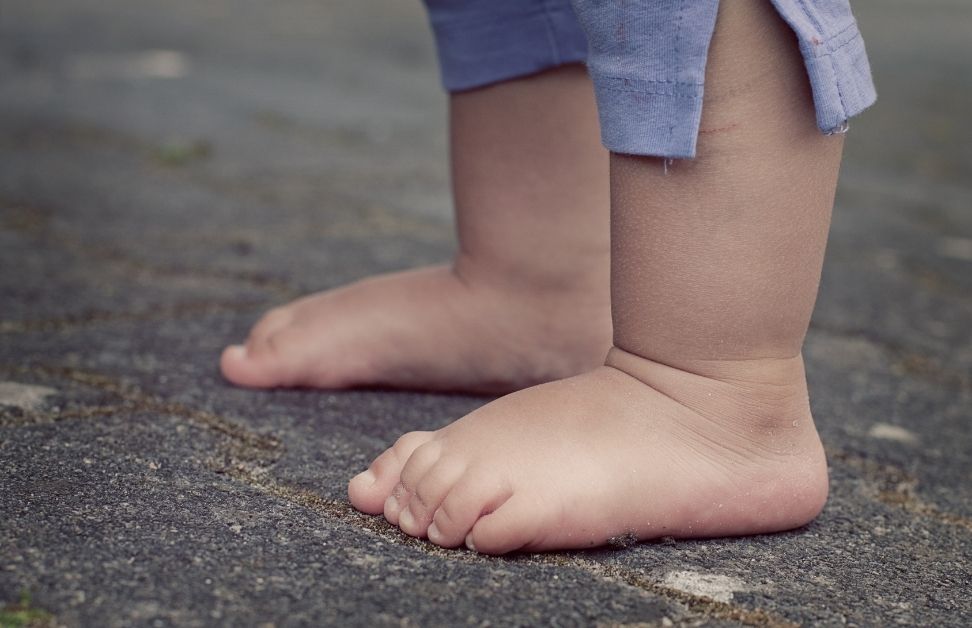
If you have noticed your child’s feet look “flat”, ankles seem to roll in, or shoes wear out quickly on the inside edge, it is normal to feel concerned. The tricky part is that many children in Singapore have flat-looking feet that are completely normal for their age and do not require treatment.
This guide helps you sort out what is expected development, what signs suggest the feet are struggling, and what a podiatry assessment can clarify. If you are around Holland Grove and want a structured, child-friendly check, Podiatry Quest can assess your child’s walking pattern, foot posture, and whether any support is actually needed.
Are flat feet in children normal?
Often, yes.
Many younger children have a natural fat pad in the arch area and looser joints, so the arch can look low when standing. According to guidelines from the NHS on flat feet, the arch often appears when the child stands on tiptoes or when the foot is not weight-bearing.
In clinic, we commonly see parents worry because the feet look flat, but the child is comfortable, active, and meeting milestones. In those cases, reassurance and simple footwear guidance may be all that is needed.
Flexible vs rigid flat feet (a simple home check)
One helpful distinction highlighted by the American Academy of Orthopaedic Surgeons (AAOS) is whether the flatness is flexible or rigid:
- Flexible flat feet: The arch appears during non-weight-bearing movement (for example, when standing on tiptoes), and the foot moves normally. This is very common in growing children.
- Rigid flat feet: The foot looks flat all the time and seems stiff, with limited movement. This is less common and should be formally evaluated.
If you are unsure, it is worth arranging a paediatric podiatry assessment rather than guessing, especially if there is pain.
Signs that your child’s flat feet may need attention
Flat feet are more likely to matter when they are linked to symptoms or functional limits. Consider an assessment if you notice any of the following:
- Your child complains of foot, heel, ankle, shin, knee, or hip pain
- They avoid walking, ask to be carried, or tire much faster than their peers
- They trip or stumble frequently, especially when running
- One foot looks noticeably different from the other
- Shoes show strong uneven wear (especially inside edge collapse)
- The ankles roll inward excessively (overpronation)
- The foot feels stiff, or your child struggles to move it normally
When it is urgent vs when it can wait
Seek an assessment promptly (within the same week if possible) if there is:
- Sudden severe pain after an injury
- A persistent limp
- A foot that looks stiff, painful, or progressively worse
- Night pain, fever, or systemic symptoms (these require immediate medical review)
If it is primarily “flat-looking feet” without any pain and your child remains active, you can generally monitor the condition, but an assessment is always sensible if you remain unsure.
Common mistakes that keep parents stuck
- Buying the stiffest shoe to “fix” the arch: Supportive shoes provide comfort and stability, but they do not actively build an arch on their own. The goal is function and comfort, not forcing an artificial arch profile.
- Treating the appearance instead of symptoms: Some children have flat feet with no complications, while others have mild-looking flat feet accompanied by severe pain. Clinical decisions must always be based on symptoms and function rather than aesthetics.
- Waiting too long when pain is present: If a child avoids physical activity or experiences recurring discomfort, early assessment prevents long-term compensatory movement patterns and reduced physical confidence.
What a podiatrist checks during a paediatric assessment
A child-focused consultation goes far beyond examining arch height. A podiatrist will evaluate:
- Foot posture and structural alignment (including overpronation)
- Joint mobility and flexibility
- Calf and hip strength, along with general motor control
- Walking and running patterns (formal gait assessment)
- Footwear wear patterns
- Correlation of symptoms with paediatric developmental benchmarks
What actually helps: A step-by-step approach
Step 1: Supportive footwear
For many children, a well-fitted shoe with a stable heel counter and adequate width is an effective first step. Avoid extreme footwear designs—both flimsy shoes that collapse under load and overly rigid shoes that restrict natural movement. A podiatrist can provide tailored shoe advice matched to your child’s foot structure.
Step 2: Activity and load management
When pain occurs, it typically indicates a mismatch between what the foot can tolerate and daily activity demands (school routines, sports, playground activity). Management involves temporary reduction of aggravating activities alongside a clear, progressive return-to-play plan.
Step 3: Strength and control exercises
Rehabilitation focuses on improving movement control across the entire kinetic chain—including the feet, ankles, and hips—rather than isolated “arch workouts”. A podiatrist can demonstrate simple, age-appropriate exercises that your child can perform consistently at home.
Step 4: Orthotic intervention (when appropriate)
Orthotics are not universally required for every child with flat feet, but they are beneficial when:
- There is persistent pain during walking or sports
- The arch collapses significantly, causing noticeable muscle fatigue and reduced endurance
- There is recurrent joint or tendon strain linked to overpronation
At Podiatry Quest, customised foot orthotics are prescribed only after a comprehensive biomechanical and gait assessment to ensure precise support, cushioning, and stability.
Frequently Asked Questions
At what age do arches develop in children?
Many children’s arches become more defined as their musculoskeletal system matures. However, some individuals naturally retain a lower arch profile into adulthood. What matters most is overall comfort, mobility, and the absence of pain or functional limitations.
Should I force my child to wear arch supports?
Not necessarily. Many children manage well with supportive footwear alone. If pain, limping, or frequent tripping is present, a clinical assessment will determine whether arch support or orthotics are genuinely necessary.
Can flat feet cause knee pain in children?
Yes. Excessive inward rolling of the feet can cause internal rotation of the lower leg, placing uneven stress on the knees—especially if the child lacks hip and core control. An assessment clarifies whether knee symptoms stem from foot mechanics or other factors.
Are orthotics safe for kids?
Yes, when properly prescribed. Custom orthotics designed specifically for a child’s biomechanics are safe and effective. Off-the-shelf, generic insoles should be approached with caution as they are not tailored to individual needs.
When should I see a podiatrist for my child’s flat feet?
You should book an assessment if your child complains of pain, walks with a limp, trips frequently, tires quickly during routine play, displays marked asymmetry between feet, or presents with a stiff, non-flexible foot.
Conclusion & Next Steps
If you are managing flat feet in children in Singapore and want professional clarity on whether treatment is required, our team can help evaluate your child’s gait and foot structure.
Podiatry Quest Clinics: Holland Grove | Novena | Tampines | Harbourfront | Raffles Place
Phone: +65 6027 2389
WhatsApp: +65 8333 9643
Website: podiatryquest.sg
Reviewed by James Teoh, Podiatry Quest Singapore. Member of the Podiatry Association Singapore.