
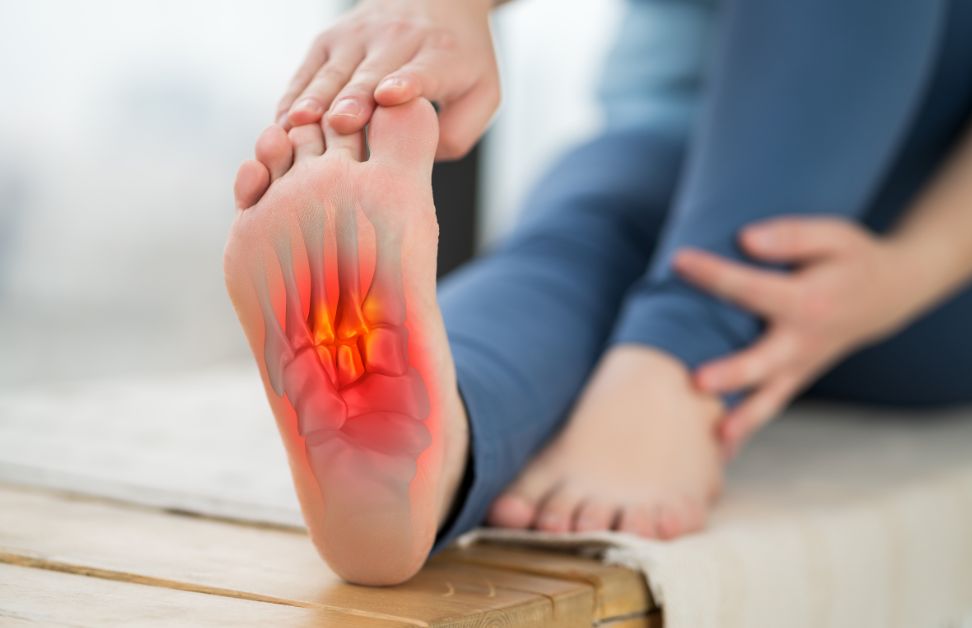
This is for people in Singapore with stubborn morning heel pain or arch pain who have already tried “standard” plantar fasciitis advice. It focuses on why common home fixes fail (load management errors, footwear issues, and missed contributors), plus what a podiatry visit actually adds.
What you’ll learn
- Why plantar fasciitis often returns even if you rest, stretch, and ice
- The 3 most common mistakes we see in clinic (and what to do instead)
- When to try self-care vs when it’s time for an assessment
Why plantar fasciitis keeps coming back (even when you’re doing “all the right things”)
Plantar fasciitis is commonly described as irritation of the plantar fascia, a strong band of tissue that supports the arch. It often shows up as sharp heel pain with the first few steps in the morning, then eases as you move around.
The problem is that many people in Singapore do the right ingredients (stretching, rolling a ball, icing), but the overall plan still keeps the plantar fascia overloaded. Pain settles briefly, then flares again.
3 Home fixes that fail (and what to do instead)
1) “Just stretch your calf” (but your daily load doesn’t change)
Calf stretching can help if tightness is part of the picture. But if you keep doing the same long walks, runs, or long hours standing without adjusting the load, symptoms often persist.
Try this instead (load-first plan):
- Reduce impact load for 10–14 days (cut running and jumping; keep gentle walking).
- If you need cardio, consider cycling or swimming temporarily.
- Gradually reintroduce load only when morning pain is clearly improving.
2) Cheap insoles that feel cushy (but don’t actually support the right areas)
Many off-the-shelf inserts feel soft, but don’t meaningfully change how forces travel through your heel and arch. Sometimes they also crowd the shoe and alter foot mechanics.
Try this instead (support + fit):
- Prioritise stable shoes (firm heel counter, supportive midsole).
- Check whether your shoe is worn down more on one side.
- If you use an insert, it should fit the shoe properly and not force your toes to grip.
3) Aggressive rolling or “digging” the painful spot
Rolling a frozen bottle can provide temporary relief, but aggressive pressure on a very irritable heel may flare symptoms.
Try this instead (calm the tissue, then strengthen):
- Use gentle massage for short periods.
- Transition to strength work (see below) once the sharpest morning pain reduces.
What actually helps: a practical 2-phase plan
Phase 1: Calm it down (7–14 days)
- Wear supportive footwear at home (avoid barefoot walking on hard floors).
- Reduce high-load activities.
- Consider short, gentle calf and plantar fascia stretches.
Phase 2: Build capacity (2–6+ weeks)
Plantar fascia pain often improves when the foot and calf can tolerate load again.
Common starting points (in suitable cases):
- Calf raises (slow, controlled)
- Foot intrinsic strengthening (e.g., short-foot exercises)
- Gradual return to running/walking volume
If you’re not sure what’s appropriate, a podiatrist can tailor the plan to your foot type, activity level, and symptoms.
Holland Grove context: why it can flare quietly in day-to-day routines
In residential areas like Holland Grove, we commonly see people build up a lot of “invisible steps” from day-to-day errands, dog walks, and commuting. The load can add up even if you’re not doing formal exercise.
A small change, like swapping to less supportive shoes, starting a new walking route, or increasing daily steps quickly, can be enough to trigger plantar fasciitis.
Clinician’s perspective (what we commonly see)
In our clinics, many patients with plantar fasciitis have already tried stretching and massage for weeks or months.
Two patterns are especially common:
- The pain is treated like inflammation only, but the underlying load problem stays the same.
- The diagnosis is assumed, when the real driver may be a different heel pain source (or more than one issue at once).
When it’s time to see a podiatrist for plantar fasciitis
Consider an assessment if:
- Pain persists beyond 2–4 weeks despite appropriate load reduction
- You have severe morning pain that is worsening
- You can’t walk comfortably for daily activities
- Pain is affecting work, exercise, or sleep
In clinic, we can assess biomechanics and gait, identify key contributors, and recommend a plan that may include customised foot orthotics for suitable cases (designed after an assessment and gait review).
Frequently Asked Questions
How do I know it’s plantar fasciitis and not something else?
Plantar fasciitis often causes heel pain with first steps in the morning, or after sitting. But other issues can mimic it. If symptoms are persistent, an assessment can clarify the cause.
Should I stop running completely?
Not always. Many people do better with a temporary reduction and a structured return plan. If pain is sharp or worsening, a pause from impact may be appropriate.
Do custom orthotics help plantar fasciitis?
In suitable cases, customised foot orthotics may help by improving support and reducing strain. They work best as part of a broader plan that includes strengthening and load management.
How long does plantar fasciitis take to improve?
Some people improve within weeks, while others take longer depending on severity, daily load, and contributing factors. Consistency and the right progression matter.
When should I worry that it’s urgent?
If you have sudden inability to bear weight, significant swelling, a fever, or severe pain after an injury, seek medical care promptly.
Key takeaways
- Plantar fasciitis often persists when daily load stays too high, even with stretching.
- Supportive footwear and a phased plan (calm → strengthen) can be more effective than “rolling harder.”
- If pain is not improving in a few weeks, an assessment can help target the true driver.
Seek Podiatry Treatment for Plantar Fasciitis Pain in Singapore
If you’re dealing with stubborn heel pain or arch pain and suspect plantar fasciitis, getting the right diagnosis and plan can shorten the cycle of flare-ups.
Book an appointment with Podiatry Quest Singapore. We have clinics in Holland Grove, Novena, Tampines, Harbourfront, and Raffles Place.
Phone: +65 6027 2389
WhatsApp: +65 8333 9643
Website: https://www.podiatryquest.sg/
