
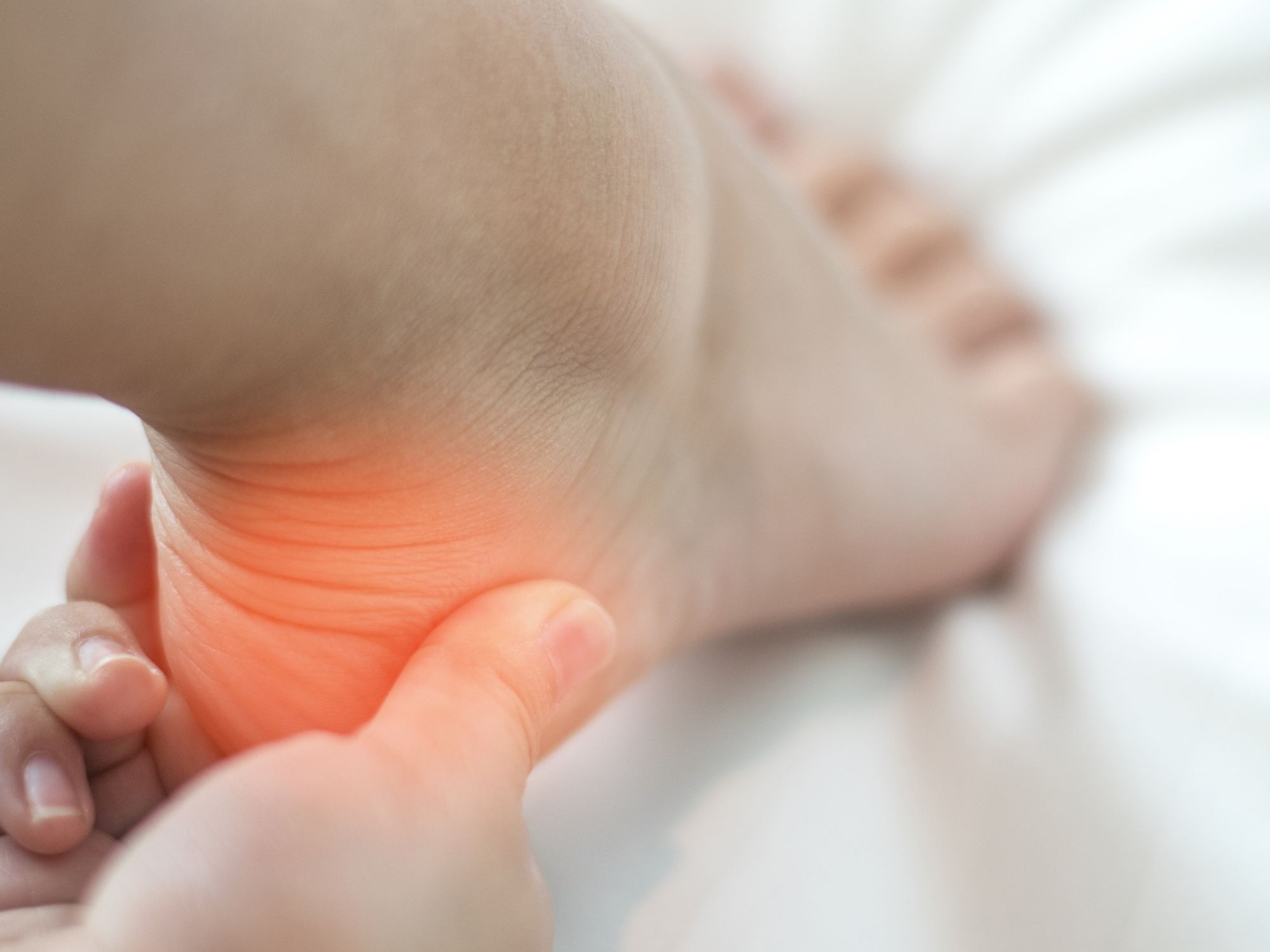
If your heel pain flares up on the walk from the MRT to Raffles Place, you are not alone. Many people try the standard advice, rest a few days, stretch a bit, buy a gel heel pad, and then wonder why the pain returns the moment they get back to office life.
At Podiatry Quest Singapore, we commonly see heel pain that persists because the “fix” does not match the cause. The good news is that most heel pain is manageable with the right plan and a clear understanding of what is actually being irritated.
What you’ll learn
- The most common reasons heel pain keeps coming back in Singapore’s office-worker routines
- How to tell plantar fasciitis from other heel pain causes (without self-diagnosing blindly)
- What to do first at home, and what to stop doing
- When it’s urgent to get assessed, and what a podiatrist can do in-clinic
This article is for Singapore office workers who walk a lot in the CBD and keep getting heel pain despite “common” self-care. It solves the problem of recurring heel pain by showing why generic fixes fail and how to choose the next best step. It is different from a general plantar fasciitis article by focusing on office walking, dress shoes, and return-to-work triggers in Raffles Place.
Why heel pain feels worse during office weeks (Raffles Place reality)
In the CBD, it is common to:
- Walk 6,000–12,000 steps without thinking about it (MRT transfers, underpasses, lunchtime errands)
- Wear dress shoes that are stiff, narrow, or slightly raised at the heel
- Stand for long stretches during commutes, meetings, and events
These patterns can irritate the heel because they change how load moves through the plantar fascia (the thick band under the foot) and the Achilles-calf complex. They also reduce your margin for error. Small issues like calf tightness or reduced ankle range can become a repeating trigger.
The most common causes of heel pain (and why the “usual fixes” miss)
Heel pain is a symptom, not a diagnosis. Common contributors include:
- Plantar fasciitis (often felt as pain under the heel, especially with first steps)
- Achilles tendon-related pain (often more at the back of the heel or above it)
- Heel pad irritation / bruising (more likely if you do a lot of hard-surface walking)
- Nerve irritation (can include burning, tingling, or unusual sensitivity)
Many people treat everything as “plantar fasciitis” and only stretch. Stretching can help in suitable cases, but it is not a full plan.
Plantar fasciitis vs other heel pain: a practical guide (not a diagnosis)
Consider these patterns as clues:
- Pain under the heel with first steps in the morning, then easing: commonly plantar fascia involvement
- Pain that builds during the day, especially after long standing: load tolerance issue (fascia, heel pad, or tendon)
- Pain at the back of the heel, worse with uphill walking or calf loading: Achilles involvement may be contributing
- Burning, tingling, or numbness: nerve irritation is possible and deserves assessment
If you are unsure, do not force a one-size-fits-all routine. A podiatry assessment can clarify what is being overloaded.
What to do first (home plan for the next 7–14 days)
Aim for a plan that reduces irritation while improving capacity.
1) Adjust load, not just rest
- Keep walking, but reduce your biggest triggers for 1–2 weeks (long CBD walks, stairs, long standing breaks)
- If you have a flare, use shorter, more frequent walks instead of one long push
2) Choose footwear that lowers strain
In our clinics, we commonly see heel pain worsen when patients wear shoes that are:
- too flat and unsupportive (thin soles)
- too stiff in the forefoot (your foot cannot move naturally)
- too narrow (compresses the forefoot and alters loading)
A simple improvement is a supportive sneaker for commuting, and switching into dress shoes only when needed.
3) Targeted stretching and strengthening (not stretching only)
- Gentle calf stretching can help, but avoid aggressive stretching into sharp pain
- Add simple foot intrinsic strengthening (short-foot / toe yoga) if tolerated
- If pain is mainly at the Achilles region, strengthening often matters more than stretching alone
4) Use simple pain control wisely
- Ice can help symptom relief after a long day
- Over-the-counter pain relief may reduce discomfort short-term (if appropriate for you), but it does not address the cause
Common mistakes that keep heel pain coming back
- Only treating symptoms (pads, gels, quick massages) without changing load and footwear
- Doing too much too soon after a “good day” and re-flaring
- Assuming it is always a heel spur (spurs can be present without being the pain source)
- Stretching aggressively even when the tissue is already irritated
When it’s urgent vs when it can wait
Seek prompt assessment if you have:
- severe pain that stops you from weight-bearing
- significant swelling, redness, warmth, or fever
- numbness/tingling that is progressing
- heel pain after a clear injury or sudden “pop” sensation
If your heel pain has lasted more than 2–4 weeks, or keeps returning whenever office life resumes, it is reasonable to book an assessment.
Clinician’s perspective (what we commonly see)
In our Singapore clinics, recurring heel pain is often driven by a mismatch between:
- what your foot can tolerate right now (capacity), and
- what your week demands (CBD walking, standing, commuting, and footwear).
Two patterns we commonly see:
- People stretch daily but keep the same footwear and walking load, so the irritation never truly settles.
- People rest until it feels better, then return to full activity without a graded plan, so symptoms rebound.
A practical approach is to treat heel pain like a “training load” problem, not just an inflammation problem.
What a podiatrist can do for heel pain (beyond generic advice)
A podiatry assessment can help by:
- checking foot biomechanics and ankle range of motion
- identifying whether the plantar fascia, Achilles, heel pad, or nerve is most involved
- guiding a realistic load plan for your work week
For suitable cases, customised foot orthotics may help reduce harmful load on irritated structures and support walking/standing demands. At Podiatry Quest, orthotics are prescription-only and are designed after a biomechanics and gait assessment (rather than a generic off-the-shelf insert).
Frequently Asked Questions
How long does heel pain usually take to improve?
It varies. Some cases improve within a few weeks with the right load and footwear changes. If symptoms persist beyond 2–4 weeks or keep returning, it is worth getting assessed.
Is heel pain always plantar fasciitis?
No. Plantar fasciitis is common, but heel pain can also involve the Achilles tendon, heel pad irritation, or nerve irritation. Treating every case the same can delay recovery.
Do heel pads or gel inserts help?
They may reduce discomfort for some people, especially if there is heel pad sensitivity. However, if the main driver is plantar fascia or Achilles load, pads alone are usually not enough.
Should I stop walking completely?
Usually not. A better approach is reducing the biggest triggers temporarily and using a graded return, especially for CBD office routines.
When should I see a podiatrist for heel pain in Singapore?
If heel pain is severe, is affecting your ability to walk, has neurological symptoms (tingling/numbness), or keeps recurring despite self-care, an assessment can clarify what is driving it and what to do next.
Key takeaways
- Heel pain is a symptom. The best plan depends on what structure is overloaded.
- In Raffles Place office routines, heel pain often persists due to load + footwear patterns.
- Improve outcomes by adjusting load, upgrading footwear for commuting, and adding strengthening.
- If pain is persistent or recurring, a podiatry assessment can provide clarity and a realistic plan.
Seek Podiatry Treatment in Singapore for Heel Pain
If you are dealing with heel pain in Singapore and it keeps returning once office life resumes, a structured assessment can help you stop guessing and start improving.
Podiatry Quest Singapore has clinics in Holland Grove, Novena, Tampines, Harbourfront, and Raffles Place.
To book an appointment:
- Phone: +65 6027 2389
- WhatsApp: +65 8333 9643
- Website: https://www.podiatryquest.sg/
